


For most people, the wealth they have built over a lifetime means much more than money. It represents years of hard work, careful saving, and personal sacrifice, all in the hope of enjoying a comfortable retirement, supporting their families, and leaving something meaningful behind. Yet one of the most important questions in financial planning is not how to grow wealth or how to spend it, but how to pass it on in a smart and purposeful way. Answering that question well requires thoughtful estate planning, which touches on many areas of financial planning including taxes, personal goals, and the idea of legacy.
Despite how important this topic is, a 2025 survey found that fewer than one in three Americans report having a will, and more than half say they have no estate plan at all.1 This gap between intention and action can be costly. Without a clear plan in place, wealth that took decades to build can be reduced by taxes, legal complications, and assets going to unintended people. Advanced estate planning helps address this by creating a well-organized approach aimed at transferring assets as efficiently as possible to the people and causes that matter most.
At its heart, estate planning serves two broad purposes. The first is to meet non-financial goals, such as providing for dependents, protecting assets from creditors, and making sure assets go to the right people in the right way. The second is to meet financial goals, such as managing taxes, keeping enough cash available when needed, and protecting the value of a business. The strongest plans bring both types of goals together and treat wealth transfer as a long-term, ongoing process.
Building the right foundation for transferring wealth
Before looking at specific strategies, it helps to understand the basic decisions that form the backbone of every estate plan. These start with three straightforward but important questions: what assets are being transferred, who will receive them, and when will the transfer happen?
The type of assets being transferred matters because it shapes which strategies make the most sense. Assets like cash and publicly traded investments, such as common stocks and bonds, are the easiest to transfer because they can be quickly converted to cash. Real estate, ownership stakes in private businesses, and other hard-to-sell investments are more complicated because they can be difficult to value and may be hard to divide among several beneficiaries.
Every estate plan starts by identifying who will benefit from the assets being transferred. Beneficiaries can include a spouse, children, grandchildren, other relatives, close friends, or charitable organizations. Different types of beneficiaries may call for different planning strategies, especially when balancing the immediate needs of a surviving spouse against the longer-term interests of children or future generations. Identifying beneficiaries early in the planning process helps make sure the right assets reach the right people in the most effective way.
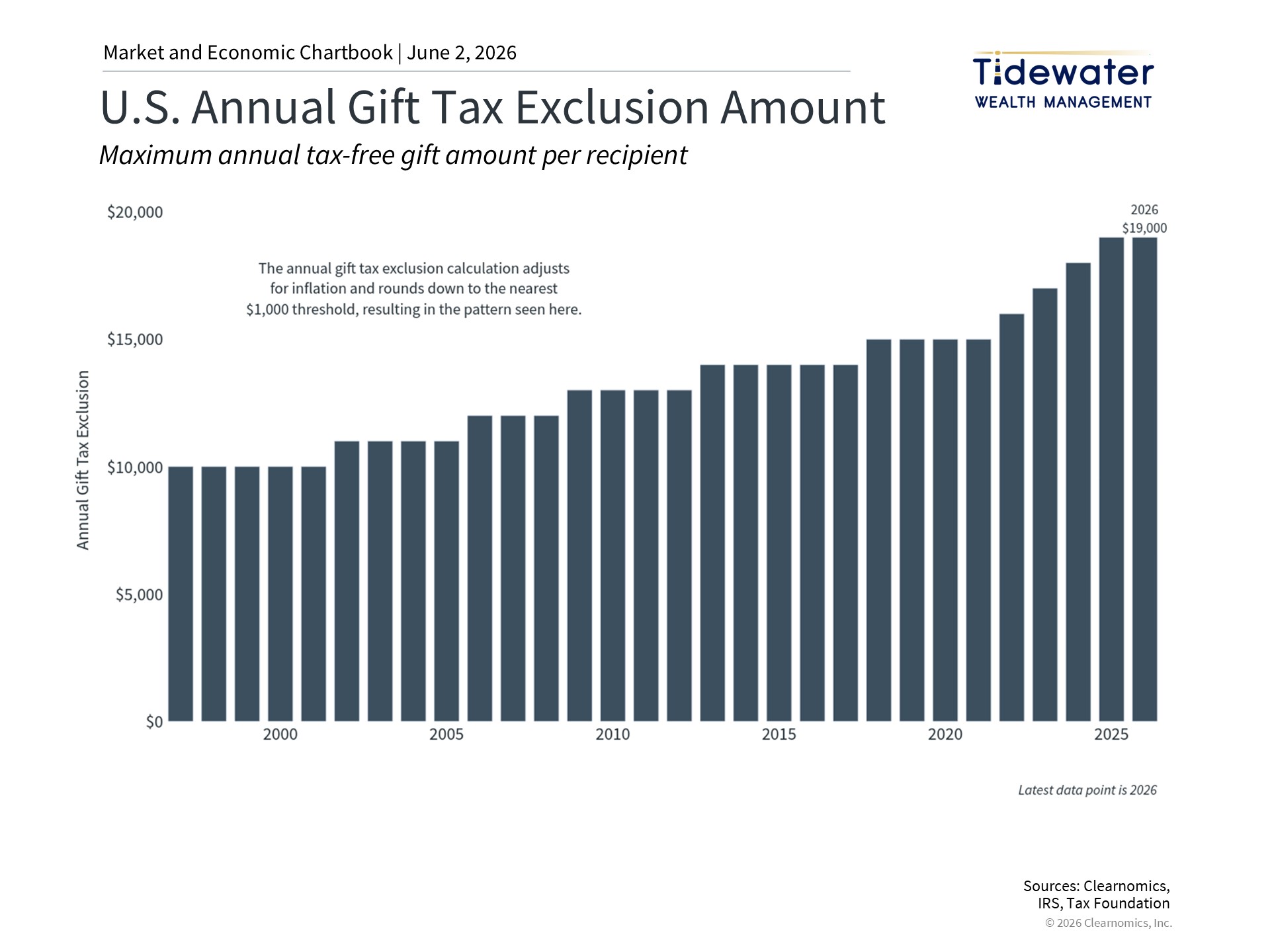
The timing of asset transfers is another key consideration. Some assets pass directly to beneficiaries at death, while others can be strategically spread out over time. For example, by making “completed gifts” during one's lifetime, a donor can take advantage of annual gift exclusions to increase the total amount transferred without paying gift taxes.
In 2026, the annual gift exclusion is $19,000 per recipient. This means a donor can give property up to that amount to any one person, or $38,000 if the gift is shared with a spouse, without paying taxes.2 Over time, this approach can remove a meaningful portion of the estate's taxable value and gives donors more control over how and when beneficiaries receive their inheritance.
Transfer strategies for different goals
With a solid understanding of these foundational elements, the next step is identifying the goals that estate planning can help achieve and matching them to available options. Here are some examples:
Reducing the taxable value of the estate
• For individuals who want to reduce estate taxes while passing future growth to the next generation, irrevocable trusts can be used to lower the value of the taxable estate and direct assets to beneficiaries. An irrevocable trust is a legal arrangement where once assets are placed inside it, the original owner generally cannot take them back or change the terms.
• A common example is a Grantor-Retained Annuity Trust, or GRAT. With a GRAT, the grantor (the person who creates the trust) transfers assets into the trust and receives regular fixed payments, called annuity payments, over a set period of time.
• If the grantor is still living when the trust term ends, any remaining assets pass to the beneficiaries outside of the taxable estate. However, care needs to be taken since gift taxes can apply.
Achieving charitable giving goals
• For families who want to give to charity, another way to reduce the estate's value is through a Charitable Remainder Trust, or CRT.
• A CRT allows the grantor to name beneficiaries who receive income from the trust for a set period, after which the remaining assets go to a designated charity. Beyond reducing the gross estate, this approach also provides a deduction for both gift and income taxes on the charitable portion.
• CRTs work especially well with assets that have grown significantly in value and could trigger large capital gains taxes when sold, such as real estate or a large holding in a single stock. Inside the trust, the sale proceeds are reinvested in a diversified portfolio, and the beneficiary receives a regular income stream for life or for a set term. This approach turns a low-income, high-gain asset into a tax-efficient income stream while also supporting a charitable cause.
Managing business interests
• For families who own a business or other hard-to-sell assets, careful planning around cash availability, ownership, and long-term continuity is essential.
• Buy-sell agreements are legal contracts that spell out how ownership is transferred if an owner passes away or becomes unable to continue working. These agreements help prevent disputes and keep the business running smoothly.
• Key-person life insurance can provide cash to cover ongoing business operations or fund a buyout without requiring a forced sale of the business.
• Family Limited Partnerships, or FLPs, allow senior family members to create different levels of ownership and gradually transfer ownership to the next generation while still keeping control as the general partner. Because limited partnership interests do not come with full control or easy marketability, they may qualify for valuation discounts, which means families can transfer more value while staying within gift and estate tax limits. FLPs also offer asset protection by shielding family members from claims by outside creditors. This structure is especially valuable for family businesses, where keeping management in the family is just as important as reducing taxes.
Estate planning is a lifelong process that needs regular attention
Like all areas of financial planning, estate planning is a lifelong process that needs to be reviewed and updated as personal situations and tax laws change over time.
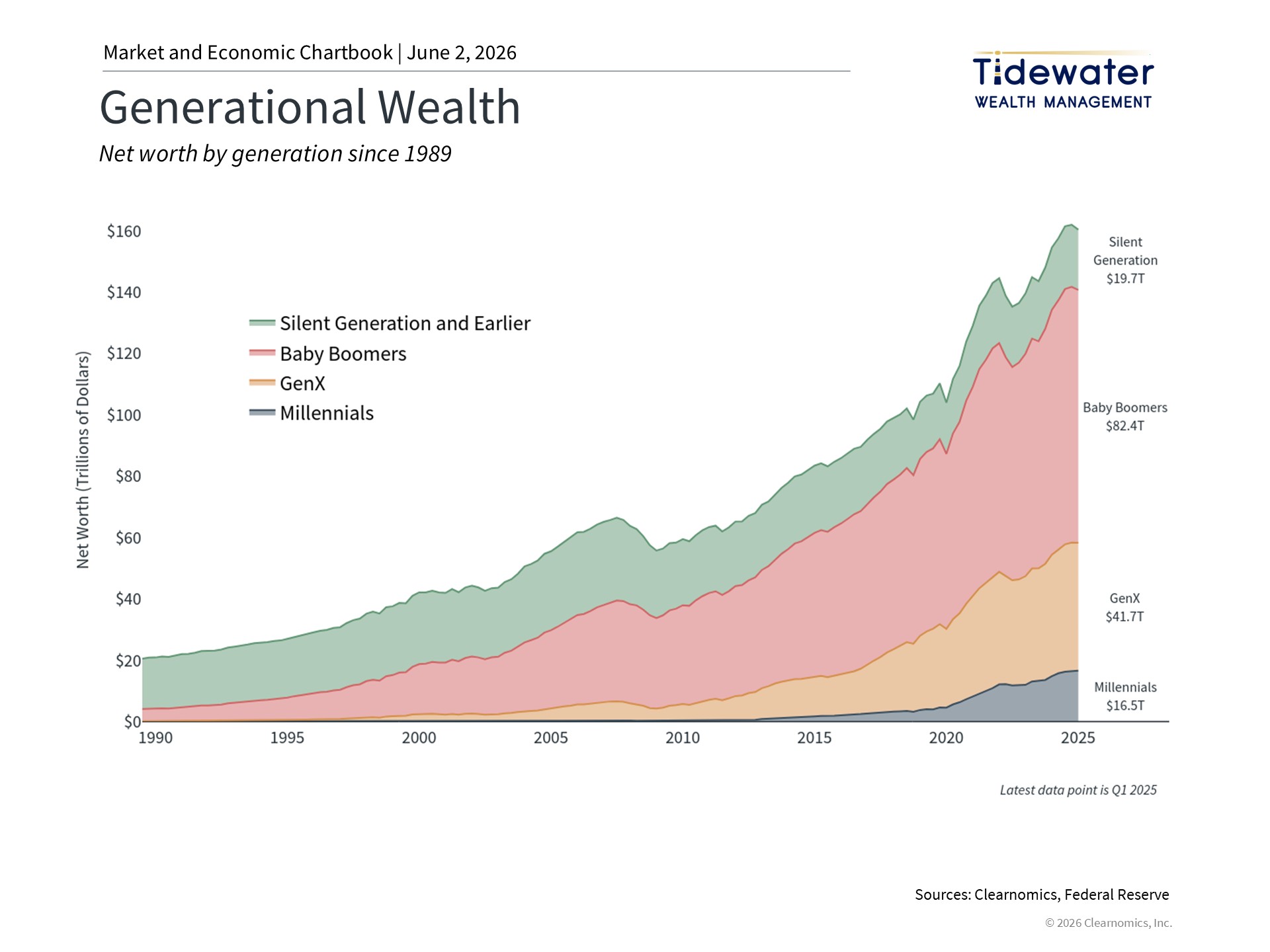
One common example of changing personal circumstances is family growth. An estate plan that works well for a young family will likely need to be revisited as that family grows and ages. When multiple future generations are involved, the process of transferring wealth to all of those beneficiaries becomes more complex.
The Generation-Skipping Transfer Tax, or GSTT, becomes relevant in these situations. This tax was created to ensure that wealth is taxed at each generation level, and it applies when assets are transferred to someone who is two or more generations younger than the donor, such as a grandchild. With careful planning, a donor can reduce or avoid this additional tax through various transfer strategies.
Policy changes can also reshape outcomes over time. Federal estate and gift tax exemptions have changed significantly across different administrations, ranging from as low as $675,000 in 2001 to a high of $15 million per individual today.3 The 2017 Tax Cuts and Jobs Act doubled the exemption, and the One Big Beautiful Bill made these higher thresholds permanent.
State-level rules add another layer of complexity, since some states have their own estate or inheritance taxes with different exemption amounts than the federal rules. Decisions about where a person lives and is legally domiciled can therefore have meaningful financial consequences for some families. Staying current on any policy changes that affect estate tax calculations is an important part of maintaining a well-functioning plan.
All of these strategies work best when they are coordinated with one another and tied into broader lifetime giving and charitable goals. As with all areas of financial planning, the key to success is to start as early as possible and to keep refining the plan so it continues to reflect personal goals and changing circumstances.
The bottom line? Estate planning requires a coordinated approach designed to preserve wealth, reduce taxes, and ensure that assets reach the right people, in the right way, at the right time.
References
1. https://www.caring.com/resources/wills-survey
2. https://www.irs.gov/businesses/small-businesses-self-employed/whats-new-estate-and-gift-tax
3. https://www.irs.gov/newsroom/irs-releases-tax-inflation-adjustments-for-tax-year-2026-including-amendments-from-the-one-big-beautiful-bill