


In today's professional landscape, equity compensation has evolved from a supplementary benefit to a cornerstone of wealth building throughout one's career. Forms such as restricted stock units (RSUs), stock options, and other equity-based awards are now prevalent across various industries and career levels.
Yet, this form of compensation introduces considerable complexity. Recognizing how equity compensation integrates into your overall financial strategy while effectively managing associated risks is crucial for wealth accumulation. These considerations apply whether you're employed by an emerging startup or an established public corporation, extending beyond simple questions of company performance. For individuals receiving substantial portions of their income in company stock, making informed decisions can significantly impact long-term financial results.
The increasing prominence of equity compensation
Various forms of equity compensation exist, each featuring unique attributes that influence taxation, vesting schedules, liquidity considerations, and financial planning approaches. The three primary types include RSUs, stock options, and restricted stock awards (RSAs).
Although not universal, equity compensation has become increasingly integral to total compensation packages alongside base salary and cash bonuses. Companies utilize equity to conserve cash resources while encouraging employee retention and aligning interests with long-term performance objectives. For employees, equity presents valuable opportunities for financial growth linked to organizational success, establishing pathways for sustained wealth development.
During the mid-20th century, equity was predominantly limited to senior executives as a tax-efficient mechanism for aligning their objectives with shareholder interests. The Revenue Act of 1950 established restricted stock options, enabling employees to receive favorable capital gains treatment upon meeting specific holding criteria. This development made equity compensation an appealing instrument for organizations.
The competitive landscape transformed during the 1990s dot-com boom. Stock options emerged as critical tools for talent acquisition and retention at startups facing cash constraints but experiencing rapid valuation growth. During this period, companies weren't obligated to report stock options as expenses on financial statements, unlike other compensation forms. Following the bubble's collapse in the early 2000s, numerous options became essentially worthless. This outcome triggered accounting standard revisions to classify stock options similarly to other compensation types.
These developments prompted modifications in equity compensation structures. Major technology companies, for example, increasingly adopted RSUs because they maintain value even during stock price declines. Unlike options, which only generate value when stock prices exceed the strike price, RSUs represent actual shares vesting over predetermined periods. Recent research by the National Association of Stock Plan Professionals (NASPP) and Deloitte indicates that technology and life science firms distribute RSUs to approximately 60% of their employees.1
Determining the value of equity compensation within your portfolio
Among the most complex elements of integrating equity compensation into financial planning is accurate valuation. This assessment is significant because it influences portfolio construction decisions and asset allocation strategies. Liquidity considerations—specifically, the ease with which investors can liquidate their equity—complicate matters further. Numerous regulations regarding vesting periods, trading windows, and secondary markets warrant careful consideration.
Without appropriate financial planning frameworks, some individuals regard unvested equity compensation or shares lacking public markets as having no value. While this perspective is comprehensible, the reality suggests such equity likely possesses value warranting inclusion in financial plans.
Conversely, employees at rapidly growing private companies might overvalue their equity based on recent funding valuations. This approach presents equal challenges since private company valuations carry uncertainty and may not materialize into actual market values when liquidity events occur, such as through IPOs or acquisitions.
A more measured methodology acknowledges that equity compensation represents genuine value, albeit with significant qualifications. For publicly traded company RSUs, current market prices provide guidance while recognizing inherent volatility. For options, consider both intrinsic value and time value reflecting potential future appreciation. For private company equity, recent valuations offer insights but may warrant discounts reflecting illiquidity and uncertainty.
Understanding and addressing concentration risk
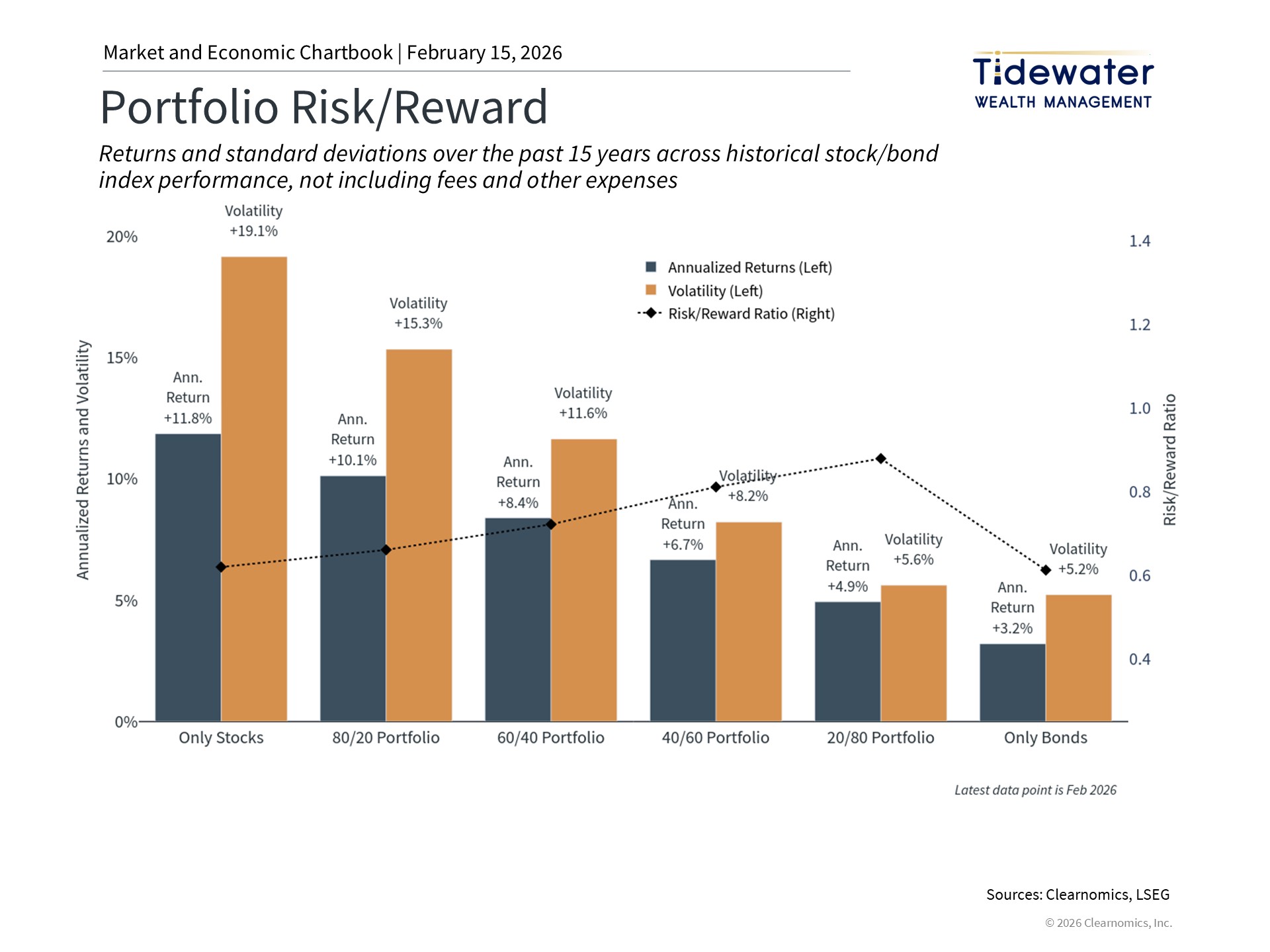
A critical element in evaluating household asset allocation involves "concentration risk." This describes situations where excessive wealth depends on a single investment—in this instance, your employer's stock. The risk intensifies because both employment income and investment portfolios rely on identical company performance.
For comprehensive financial planning, multiple strategies exist to address these concerns. The objective is thoughtful advance planning that balances equity compensation benefits while managing risks associated with concentration, taxation, illiquidity, and valuation uncertainty.
Consider these strategic approaches:
• Staged selling entails committing to liquidate predetermined percentages of vested shares according to regular schedules. By establishing decisions beforehand and maintaining discipline, you eliminate emotional factors and progressively reduce concentration. Rule 10b5-1 trading plans offer particular value for investors facing trading restrictions. These arrangements enable automatic sales while maintaining compliance with insider trading regulations. However, they demand careful implementation, including observance of cooling-off periods and prevention of overlapping plans.
• Preparing for significant tax events demands strategic planning. This might encompass optimizing asset location, deferring tax-loss harvesting, or implementing charitable strategies supporting tax objectives. For example, contributing long-held appreciated shares to donor-advised funds generates immediate tax deductions, decreases single-stock concentration, and potentially eliminates capital gains taxation.
• Establishing a liquidity reserve through cash and short-term bonds helps mitigate liquidity risks while supporting upcoming tax liabilities or near-term expenditures. This guarantees adequate cash availability, preventing forced share sales during unfavorable market conditions.
• Portfolio construction across other accounts should reflect equity compensation holdings. With substantial employer stock exposure, retirement accounts like 401(k)s or IRAs might require diversification away from that sector and company. For instance, technology company employees holding significant RSUs might underweight or exclude technology stocks from retirement portfolios. Similarly, if company performance correlates with specific economic variables like interest rates, diversified portfolios should incorporate assets exhibiting different behaviors under those conditions.
For individuals with exceptionally large concentrated positions, numerous sophisticated strategies exist including protective puts (though frequently prohibited for employer stock), exchange funds consolidating stock from multiple participants, or structured donation approaches. Nevertheless, these methods typically necessitate professional guidance given their intricacy.
Viewing equity compensation as a component of comprehensive financial planning
Effective equity compensation management requires examining its role within your broader financial context. The objective involves creating comprehensive financial plans that harness equity compensation benefits while ensuring overall portfolio alignment with long-term financial objectives.
The bottom line? While equity compensation offers substantial wealth-building potential, it demands careful management. Through understanding associated risks and implementing proactive planning, you can incorporate it into a comprehensive financial strategy oriented toward long-term achievement.
References
1. https://www.naspp.com/blog/5-trends-in-full-value-awards
Advisory services provided by NewEdge Advisors, LLC doing business as Tidewater Wealth Management, as a registered investment adviser. Securities offered through NewEdge Securities, Inc., Member FINRA/SIPC. NewEdge Advisors, LLC and NewEdge Securities, Inc. are wholly owned subsidiaries of NewEdge Capital Group, LLC.